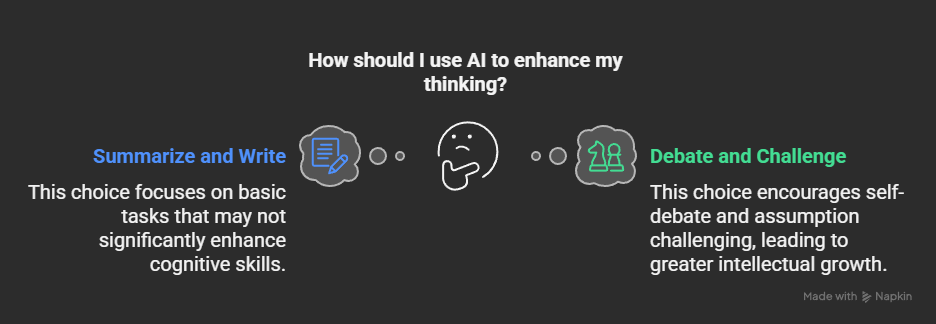
🧠 I don’t use AI to automate thinking.
I use it to refine it.
While many see Grok, ChatGPT, and similar tools as assistants for faster research or content generation, I found something more meaningful: a way to push back against my own cognitive bias — not reinforce it.
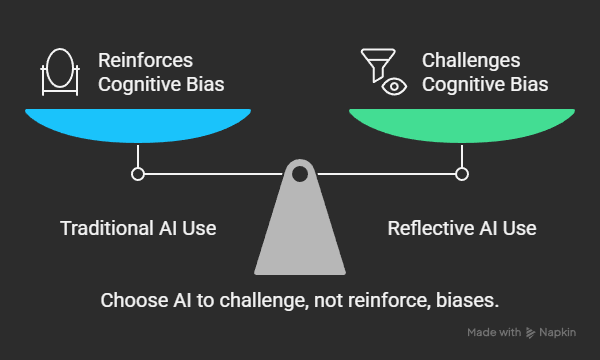
🚪The Real Power of AI? Reflection, Not Just Reaction
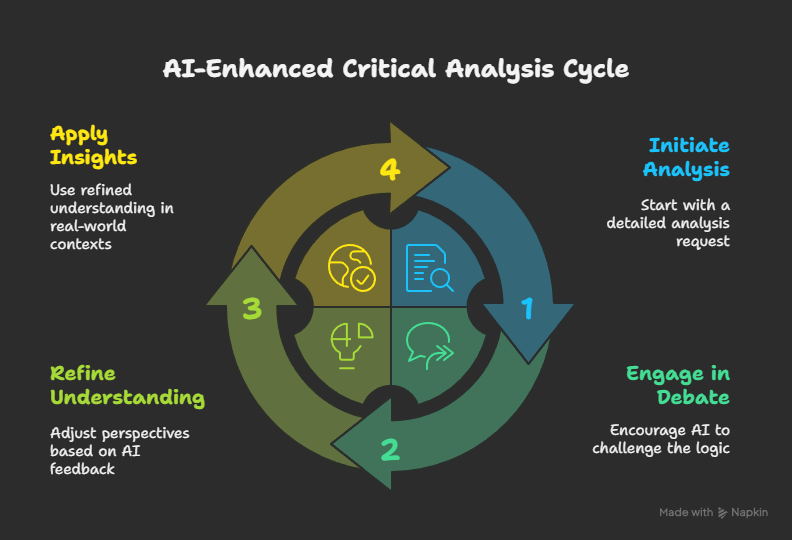
When I dive into geopolitics or social dynamics with Grok, I always include one critical instruction:
“Analyze this, but also debate me. Challenge the logic behind it.”
What happens next is incredible.
I don’t just get feedback.
I get a mirror. A mirror that doesn’t flinch.
🧠 Psychology as a Missing Lens
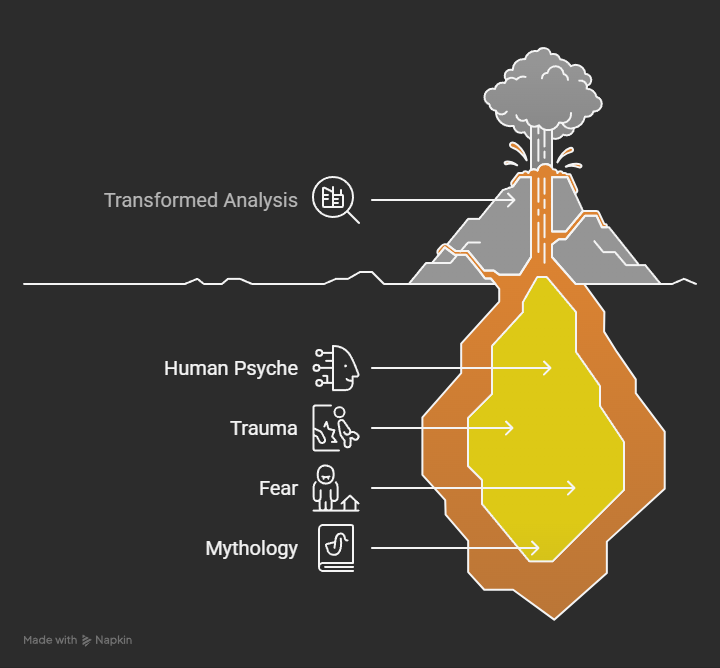
In political and geopolitical analysis, the missing layer is often the human psyche.
Power isn’t only about pipelines, missiles, or alliances.
It’s about trauma, fear, pride, mythology, and perception. Once I told Grok to include behavioral patterns and psychology in its responses, it transformed. The analysis felt human. Strategic. Real.
💥 Why I Do This
I don’t want confirmation. I want confrontation — with logic.
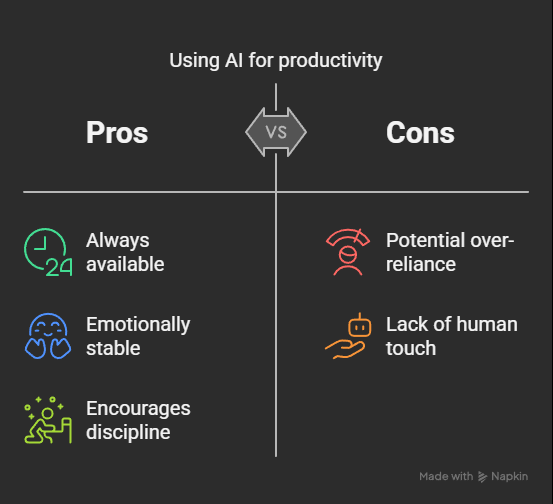
- AI won’t get tired.
- AI won’t get emotional.
- And when guided right, AI won’t let you get lazy.
It’s not about winning an argument. It’s about understanding the full shape of your own position.
🧬 Co-thinking, Not Coasting
This is what AI can become:
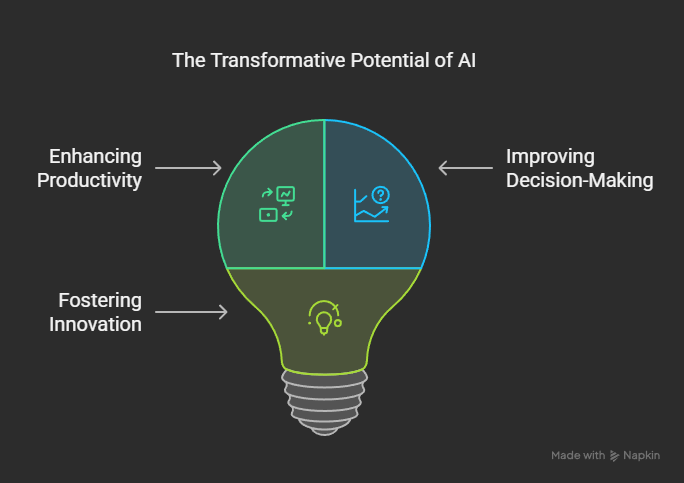
A sparring partner for critical thought, not a crutch for half-baked opinions.
And when you pair that with a system like ChatGPT that learns your tone, your frameworks, and your need for clarity, it’s more than software — it’s a co-creator of your mindset.
🙋♂️ My Final Take
If you only use AI to summarize things or write blog posts… you’re missing out.
Use it to debate yourself, to challenge assumptions, to sharpen clarity.
You’ll walk away smarter — not because AI is smart,
but because it forces you to be.